Checking a Dead Outlet Without Opening the Electrical Box
What to do when an outlet stops working
When a receptacle goes dead, the immediate impulse is to grab a screwdriver and start opening things up. That is rarely the right first move. Many dead outlets have simple causes that can be identified without touching any wiring. A few minutes of careful checking can save time and avoid unnecessary work. This article walks through the steps to diagnose a dead receptacle without opening the electrical box, using only basic tools and common sense.
Before you start: safety first
Every check described here is done with the circuit turned off at the breaker panel. If you cannot confirm that the circuit is off, stop and call a professional. Never stick anything into a receptacle that might be live, and never work on an outlet while the power is on. The goal is to find the problem, not to fix it with live wires. If any step feels unclear or unsafe, leave the diagnosis to a qualified electrician.
Step 1: Confirm the outlet is actually dead
Plug a lamp or small appliance that you know works into the suspect receptacle. If it does not run, try another device. Sometimes the first device has a broken plug or internal fault. If the second device also fails, the outlet is likely dead. Check whether other outlets in the same room are working. If they are, the problem is probably local. If the entire room is dark, the issue may be at the breaker panel.
Step 2: Check the breaker panel
Go to the main panel and look for a breaker that is tripped. A tripped breaker sits somewhere between the ON and OFF positions, often with a small red or orange flag showing. Flip it fully to OFF, then back to ON. If it holds, return to the outlet and test again. If the breaker trips again immediately, there is a short or overload that needs professional attention.
If no breaker is tripped, check the GFCI (ground-fault circuit interrupter) receptacles in bathrooms, kitchens, garages, and outdoors. A GFCI outlet can trip and kill power to several downstream outlets. Press the RESET button firmly until it clicks. Then test the dead receptacle again. Many dead outlets turn out to be downstream of a tripped GFCI.

Step 3: Look for a tripped GFCI elsewhere
Sometimes the GFCI that controls a dead outlet is in a different room. For example, a garage GFCI might protect outlets in the basement or on an exterior wall. Walk through the house and press the RESET button on every GFCI receptacle you find. This is a common fix for dead outlets that seem unrelated to the room they are in.
Step 4: Inspect the outlet itself
If the breaker and GFCIs are fine, look at the receptacle closely. Remove the cover plate if it is held on by screws. Do not touch the wires or the terminal screws. Shine a flashlight inside without touching anything. Look for signs of overheating, such as melted plastic, discoloration, or a burnt smell. If you see any of these, call an electrician. The receptacle has internal damage that needs replacement.
If the cover plate is held on by screws, you can safely remove them and lift the cover off. The receptacle body stays attached to its wires. Do not pull on the wires or try to remove the receptacle from the box. Just look for visible damage, loose connections, or signs of arcing. If everything looks normal, the problem is elsewhere in the circuit.
Step 5: Check other outlets on the same circuit
Outlets are usually wired in a chain. If one outlet in the chain has a loose connection, all outlets downstream from it will be dead. Start at the outlet closest to the breaker panel and work your way toward the dead one. At each outlet, remove the cover plate and look for a loose wire. If you find a wire that has come off its terminal, that is the problem. Do not tighten it yourself if you are not comfortable. Call an electrician.
Step 6: Test for voltage with a non-contact tester
A non-contact voltage tester (sometimes called a tick tester) is a safe way to check whether power is reaching the outlet. Hold the tester near each of the two slots on the receptacle face. If the tester beeps or lights up, power is present. If it does not, the outlet is dead. This test is done with the power on, but the tester never touches live metal. Follow the manufacturer's instructions for your specific model.
Step 7: Listen for clues
Sometimes a dead outlet gives off sounds that point to the cause. A faint buzzing or humming from the receptacle could mean a loose connection or a failing internal contact. If you hear crackling, that is arcing inside the outlet, which is dangerous. Turn off the circuit and call an electrician immediately. Do not use the outlet until it has been inspected.
What to do when the problem is not obvious
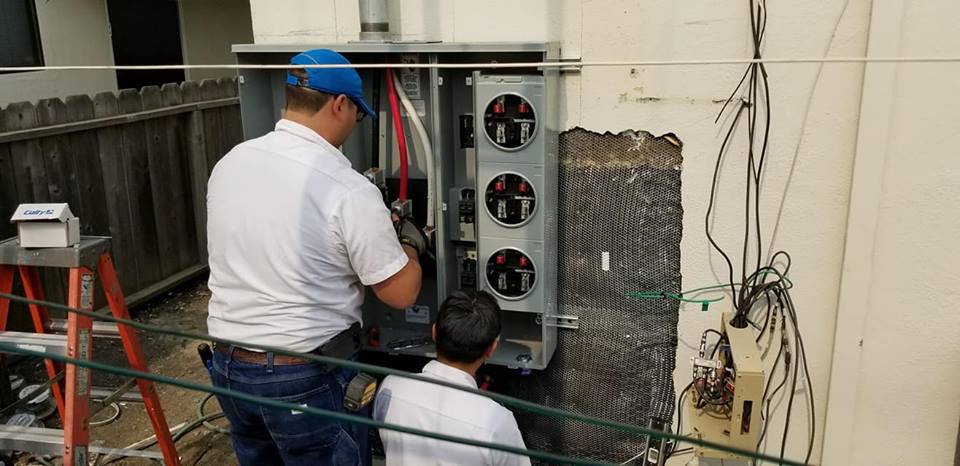
If you have checked the breaker, GFCIs, and all visible wiring, and the outlet is still dead, the issue may be inside the wall or at the panel. A broken wire, a failed splice, or a damaged conductor can cause a dead receptacle without any visible signs. These problems require opening the electrical box and testing with a multimeter or similar tool. That is a job for a professional.
Wooding Electric handles exactly this kind of residential electrical repairs. Their technicians have the training and equipment to trace circuits, find hidden faults, and fix them safely. If you have gone through the steps above and the outlet remains dead, it is time to call someone who can work inside the box.
Common causes of dead outlets that look normal
Even when a receptacle appears fine on the outside, several internal issues can kill power. A loose connection at the back of the outlet is one of the most common. Over time, vibration from plugging and unplugging devices can loosen the terminal screws. The hot wire, neutral wire, or grounding conductor can pull free. That leaves the outlet dead even though the rest of the circuit works.
Another cause is a failed internal contact inside the receptacle. The metal tabs that grip the plug can wear out or break. The outlet looks fine, but it no longer makes a solid connection with the plug. This is especially common in older outlets that have been used heavily.
A third cause is a tripped breaker that does not look tripped. Some breakers trip to a center position that is easy to miss. If you only glance at the panel, you might think the breaker is on when it is actually in a tripped state. Flip each breaker fully off and back on to reset it properly.
When to call a professional
If the outlet still will not work after all these checks, or if you find signs of damage or overheating, stop testing. Do not remove the receptacle from the box or attempt to splice wires yourself. Residential electrical repairs that involve opening the box or working with live circuits should be done by a qualified electrician. Wooding Electric provides residential and commercial electrical troubleshooting, repairs, wiring improvements, and related electrical services in San Jose and surrounding Bay Area cities. Their experience with hidden faults and older wiring makes them a good choice for problems that do not have an obvious cause.

Final check: what you can do safely
To summarize the safe checks you can do without opening the electrical box:
- Confirm the outlet is dead by testing with a known working device.
- Check the breaker panel for tripped breakers and reset any GFCIs.
- Inspect the outlet cover for visible damage, discoloration, or burning.
- Use a non-contact voltage tester to confirm power is absent.
- Listen for buzzing or crackling that indicates a loose or arcing connection.
If these steps do not identify the problem, the issue is inside the wall or at the panel. That is where professional help is needed. Do not attempt to open the electrical box or work on live wires. A dead outlet is frustrating, but it is not worth the risk of shock or fire. With a methodical approach, you can often find the cause without ever touching a wire.